Table Of Content
- Traditional Techniques and Tools Used in Polynesian Tattooing
- Coloring Book of Polynesian Art Designs
- Easter Island
- MOST FAMOUS ARTISTS AND ARTWORKS
- Polynesian Design as a Cultural Revival: Preserving Heritage in the Modern World
- Hawaiian Interiors
- Principles of Art – Understanding the Principles of Design in Art
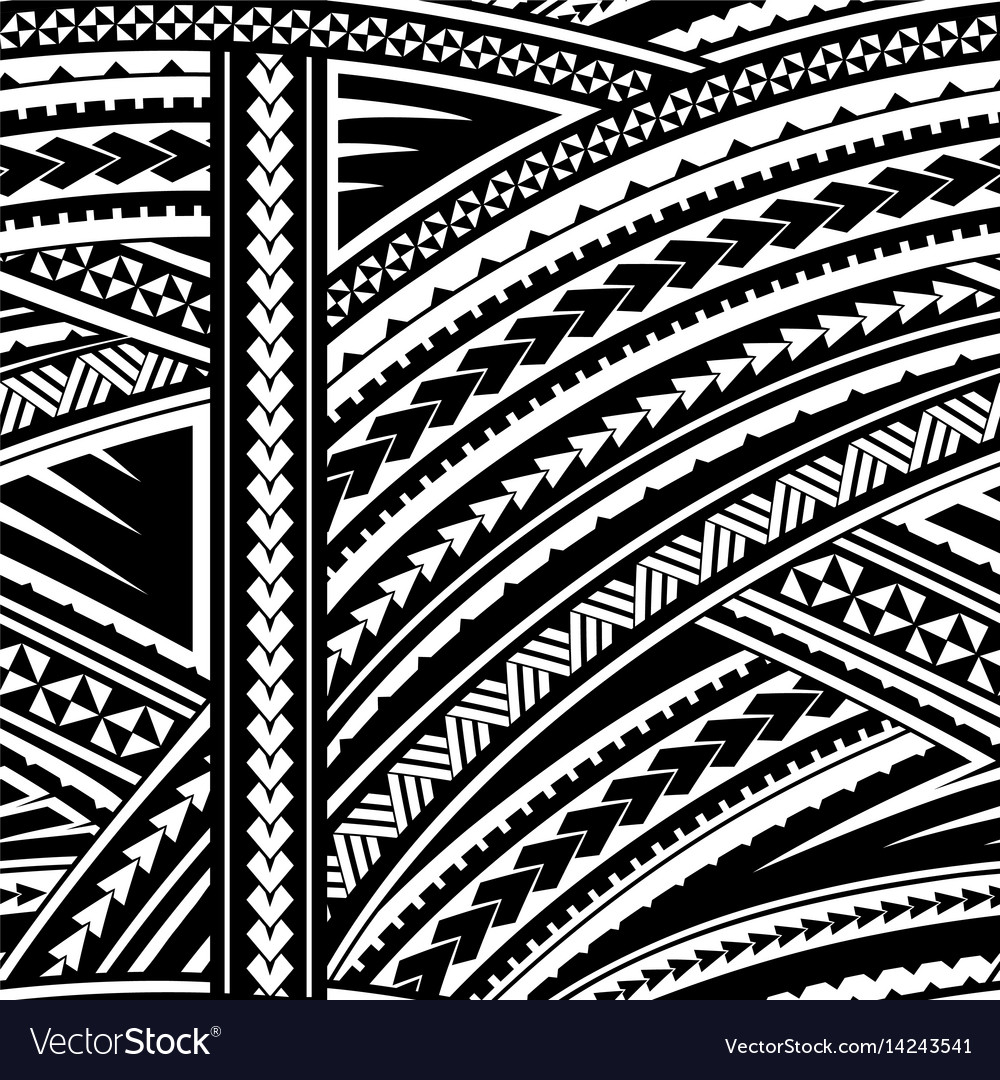
Cloaks, the primary garments, were still given geometric patterns on their borders, but otherwise there was a new emphasis on flowing, curvilinear designs and a wealth of surface decoration. Resorts in Polynesia often incorporate elements of traditional design in their architecture, striking a balance between luxury and cultural authenticity. From thatched roofs to carved wooden details, these resorts create a sense of place, immersing guests in the beauty and traditions of the Pacific Islands. Clay was also used in New Guinea and Melanesia, mostly for sculptures, tiny musical instruments, and ceramics. Except in a few small places in New Guinea and the northern Solomons, the creation of clay containers was largely the job of women.
Traditional Techniques and Tools Used in Polynesian Tattooing
The shark teeth symbol, known as niho mano in Polynesian language, is very popular among Polynesian tattoo fans. Shark teeth are representative of courage, guidance, power, ferocity, and adaptability. The word hono, which means ‘turtle’ in the Marquesan language, has several meanings attached to it. Turtles are often designed with many patterns and symbols to express different meanings. The designs that are similar among the Polynesian cultures hold ties to many ancient cultures and will live on by modern people getting these Polynesian tattoo designs. Although there are slight differences between the Polynesian tattoo artists’ techniques, their tools and the way they perform the tattoos is very similar.
Coloring Book of Polynesian Art Designs
The term is derived from the town of Lapita in New Caledonia, which was one of the first locations where its unique artwork was found. It is unclear where the culture originated, although it seems that the people themselves originated in Southeast Asia. Their ceramics are well renowned for their intricate geometric designs and sometimes anthropomorphic images. Some of the motifs are thought to be similar to contemporary Polynesian barkcloths and tattoos. They were made by burning a comb-like instrument with patterns pressed on wet clay. Each stamp would have a single design and would be stacked to produce a complex pattern.
Easter Island

If you're interested in getting a Polynesian or Filipino tattoo from Kurtis, the process is simple. While it’s acceptable as a traveler to be inspired by something, it helps to have a connection to the design you ultimately choose—after all, you’ll be living with it for the foreseeable future. It should be a representation of your individual journey and accomplishments. Another way to add freshness to your Polynesian tattoo is to make it with several colors.
Allegedly, it was he who introduced the word ‘tattoo’ to Europe, as he brought back with his tales of the tribal tattooing ceremonies. The process itself was a painful one since tattoos were done using crude equipment such as bamboos and animal bones. Although to the untrained eye they may look like random patterns focused solely on aesthetics, in fact, every element of a Polynesia themed tattoo carries specific symbolic value. Native Oceanic visual art and architecture include mediums such as ceramics, sculpture, basketry, rock art, masks, painting, and personal ornamentation. Architecture and art have often been intimately linked in these cultures – for instance, storehouses and meetinghouses are frequently ornamented with beautiful carvings, and thus they are discussed together.
When the art of tattooing came into the Polynesian culture is hard to say. Polynesian people used tattoos to express their identity and personality, with various meanings assigned to each design based on the cultural context. Polynesian communities are actively working to revive ancient artistic traditions that were on the brink of extinction.
Hawaiian Interiors
However, the Hawaiians believe the turtle tattoo brings people peace in life and a long, happy life too. For example, the meaning of the sea turtle and its shell for the Samoans is protection because of the turtle’s strong shield. For Polynesians, especially for Samoans and Hawaiians, the sea turtle and its shell have a special significance as a tattoo. They follow a band of lines, for example, flowing around someone’s wrist or limb and accented with black lines and typically surrounded by even more tribal tattoos.
Men in Polynesian culture were expected to undergo up to 3 to 4 months of tattooing. Since the ocean is a source of food for Polynesian people, it also represents life, fertility, and persistence. The stylization of the waves can be representative of life, change, or continuity through change. They consider it to be their second home, the place where they will rest when they leave for their last voyage. Polynesian tattoos are perfect tribal tattoos for your first tribal tattoo, a sleeve, or even a small wrist tattoo.
To wear these body motifs just because they are exotic and not to understand their purpose is blasphemy. With its intricate patterns and bold lines, the stingray symbolizes adaptability, strength, and protection. Getting it tattooed is believed to ward off negative energy and protect one against evil or potential harm. The stingray is also symbolic of one’s connection to the ocean and nature.
Akua Creative Tells Hawaiian Cultural Study with Design - NBC News
Akua Creative Tells Hawaiian Cultural Study with Design.
Posted: Fri, 02 Sep 2016 07:00:00 GMT [source]
Depending on where a tattoo was placed on the body, the wearer would be calling for a particular spiritual boom to help lead them through life. For example, tattoos placed on the legs and feet were about moving forward, progressing, and transforming life. In Polynesian Mythology, the human body is linked to the two parents of humanity, Rangi (Heaven) and Papa (Earth). It was man’s quest to reunify these forces and one way was through tattooing.
When they dance, they paint their bodies with white “paint” and apply it in patterns, significant shapes, and lines. Eastern Polynesian cultures are highly adapted to smaller islands and atolls, principally Niue, the Cook Islands, Tahiti, the Tuamotus, the Marquesas, Hawaii, Rapa Nui, and smaller central-pacific groups. The large islands of New Zealand were first settled by Eastern Polynesians who adapted their culture to a non-tropical environment. This was disrupted in the early 1900s due to colonial intervention, with east–west division by Tripartite Convention (1899) and subsequent annexation by the German Empire and the United States.
Tattooing involves a series of rituals during which a design is changed with the passage of time – it may take many years to attain a complete look. These tattoos stand for courage, strength status and passion of the bearer. Another purpose of tattoos in this culture was that they were considered to be protective talismans, and sometimes a way to honor a deceased loved one. In Hawaiian culture, tattoos were considered to be more personalized in nature, with respect to the fact that they conveyed a meaning related to the bearer. Discover how Polynesian design has left an indelible mark on architectural landscapes.
So, if you're looking for a tattoo that is not only visually stunning but also deeply meaningful, consider embracing the beauty and symbolism of Polynesian tribal ink. Polynesian design, with its mesmerizing patterns and profound cultural significance, has captured the hearts of people around the world. From the intricate tattoos adorning the bodies of warriors to the vibrant motifs displayed on traditional textiles, this unique art form tells a captivating story of the Pacific Islands and its indigenous people. In this article, we will delve into the rich history, symbolism, and modern interpretations of Polynesian design, uncovering its timeless beauty that continues to inspire and fascinate.
New Zealand is inhabited by the Maori tribe, famous for the unique style of tattoos. The designs comprise of spirals and each design is modified as the bearer passes through a new stage in life. Preserving the cultural integrity of Polynesian design in the tourism industry is a delicate balance. While there is a demand for authentic experiences, there is also a risk of commercialization and cultural appropriation. Traditional meeting houses, such as the Maori whare runanga or the Samoan fale, are iconic structures that embody Polynesian design principles.


No comments:
Post a Comment